 École Charleswood School


Joint Canoe Project
The Canoe
We are excited that you have found this canoe! Here is the story.
A class of grade 3 students from École Tuxedo Park School and a small group of grade 7 and 8s from École Charleswood School came together to create this canoe!
It was a learning journey for the grade 3s to understand how important the canoe was years ago. The first Europeans came via canoe in 1738, when La Vérendrye erected Fort Rouge, the first of many forts and trading posts erected in the area. Known as the Red River Colony, the forts were within striking distance of The Forks because of its significance as an Indigenous meeting place. The region provided rich food resources along an important transportation route including fish, waterfowl, game and, most importantly, bison, along an important transportation route. The Forks was the hub of the fur trade until the 1880s, when grain production became western Canada’s principal industry.
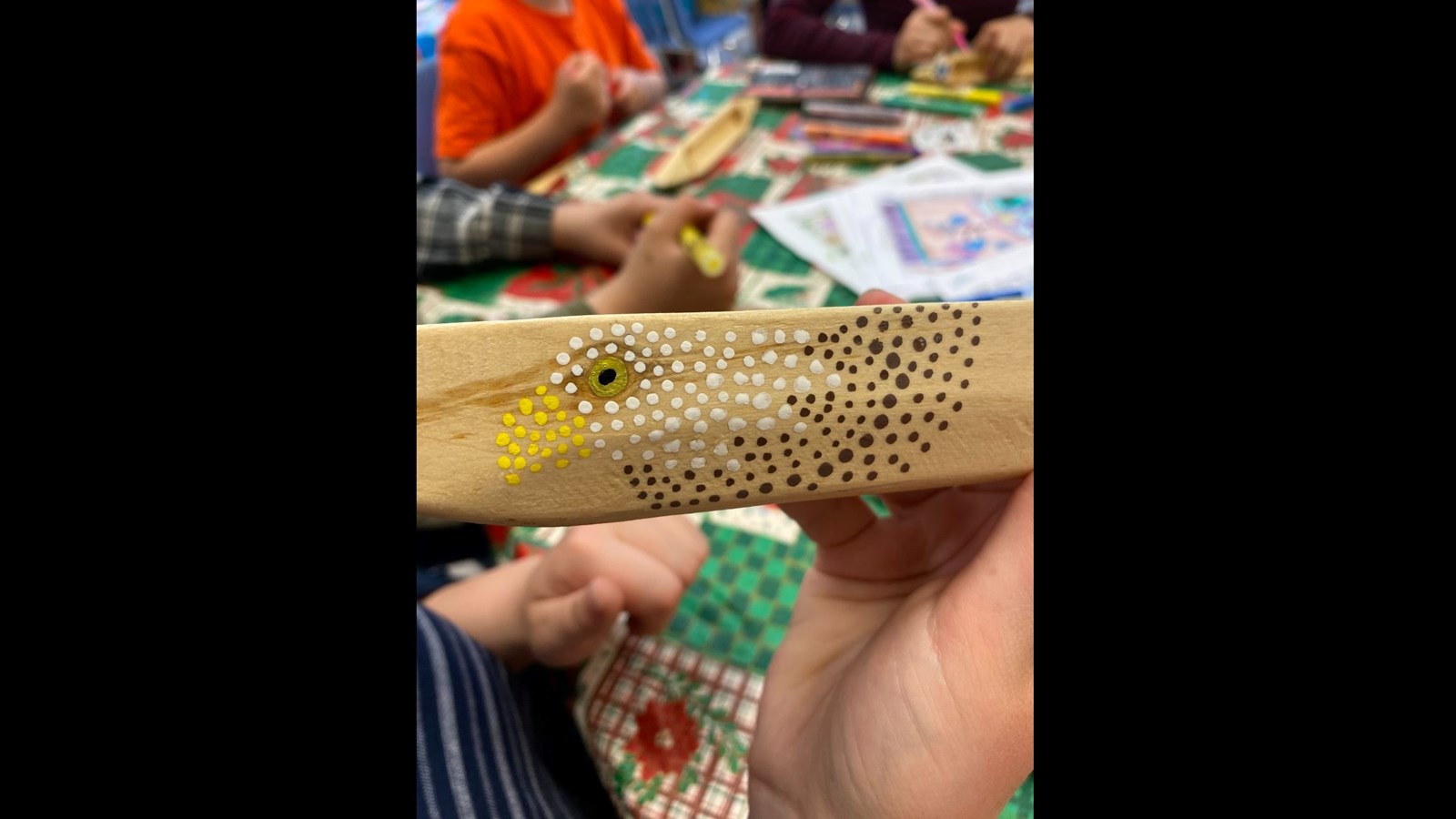
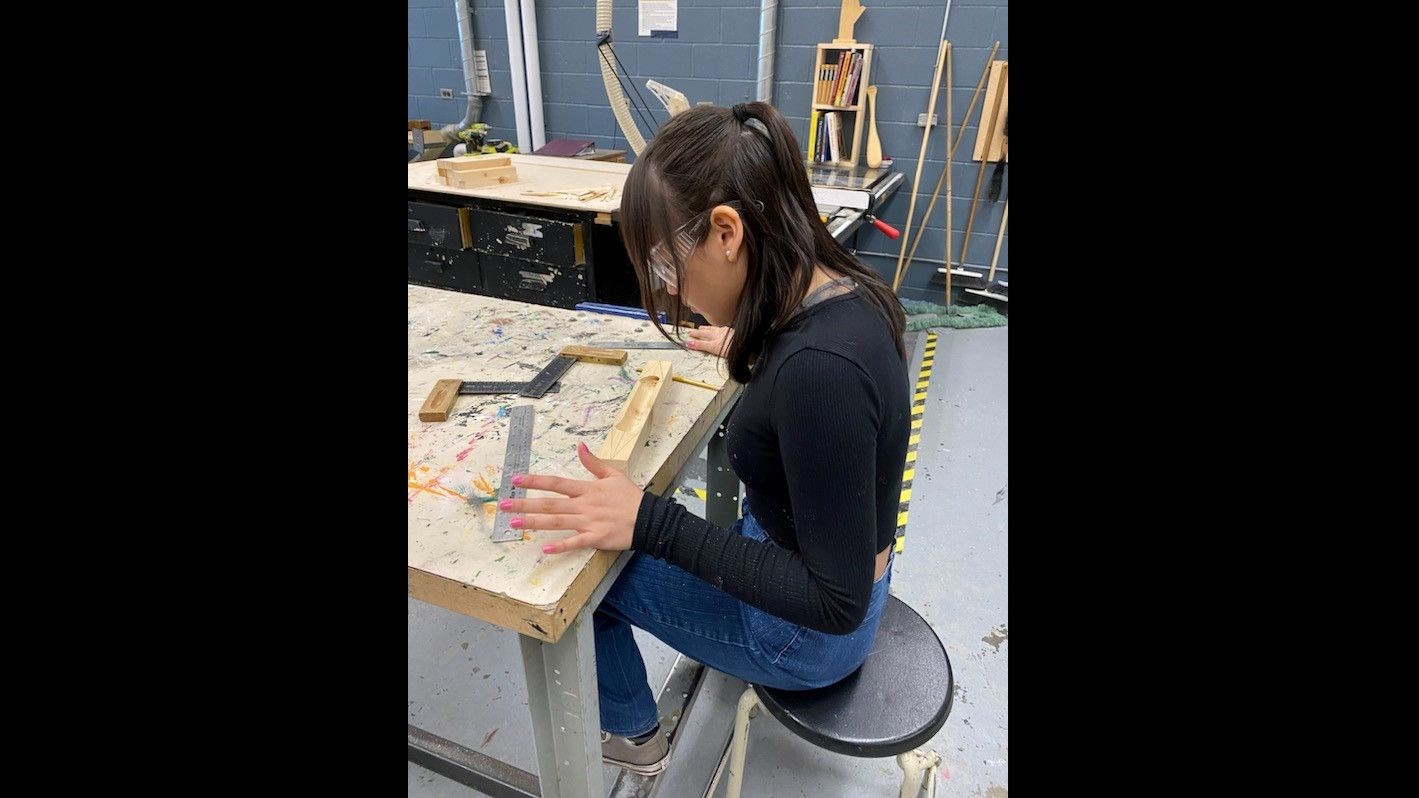
For the grade 7 and 8s, the building and sanding of the canoe took time and patience. Grade 3’s and 7 and 8’s came together to collaborate on decorating the canoes after exploring the artwork of Christi Belcourt. This tiny replica symbolizes not only the trades and waterways but also to consider food sovereignty. Indigenous people have planted and harvested wild rice using a canoe. This technique is still used today.
Elder Ellen Cook came to the Forks to visit with the classes and talk about the importance of water.
When a canoe is found, we will record it. We are excited to see how far our canoe has travelled.



Please provide your question and email address in the fields below.
Your question has been successfully submitted.
CloseThank you.