 Beaumont School



Air quality information for our schools
As we head into the warmer months, wildfire smoke may at times affect air quality in Winnipeg. Pembina Trails School Division takes student health seriously and closely monitors conditions to help limit smoke exposure whenever possible.
Below is what families need to know about how smoke can affect health, and how our schools adapt activities when air quality changes.
How does smoke in the air affect my health?How smoke conditions may affect your health is determined by a number of factors, such as the length of time you are exposed, how much air you breathe in, your health status, and the concentration of smoke in the air. | 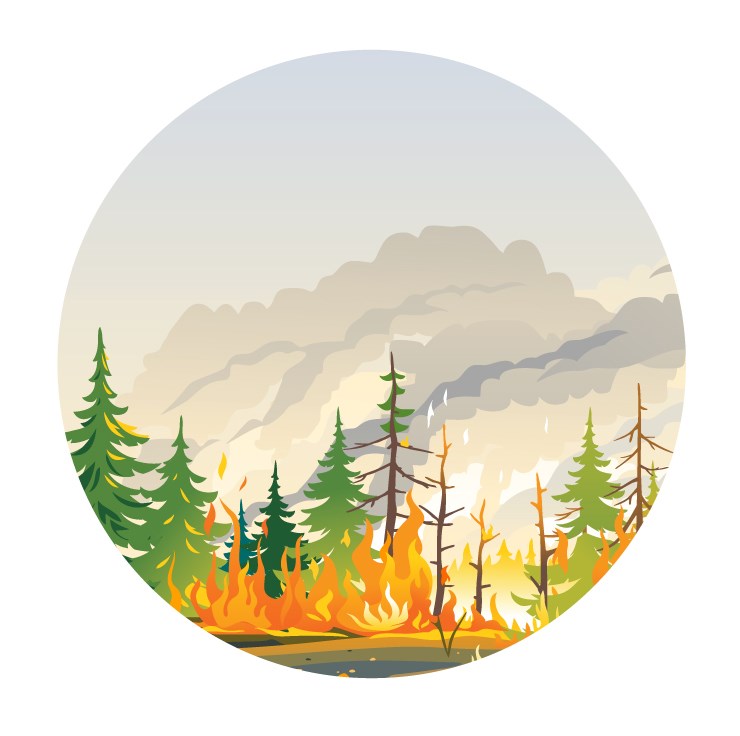 |
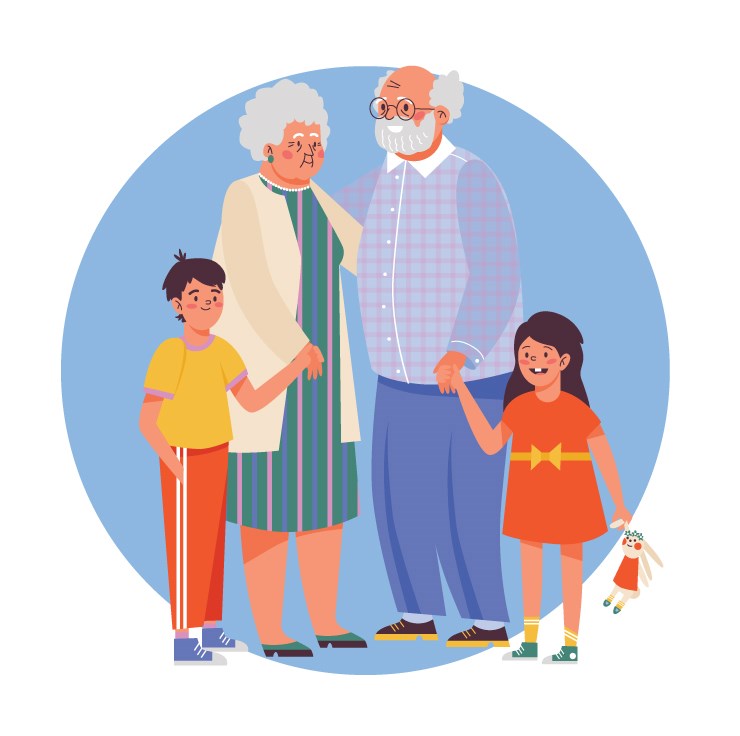
Who is most at risk?Infants and young children, pregnant people, the elderly, and people with existing illness or chronic health conditions such as cancer, diabetes, mental illness, and heart or lung conditions are more sensitive to the adverse effects of exposure to smoke. People participating in sports or strenuous work outdoors may also be more susceptible since they are breathing air deeply and rapidly. Risks increase when smoke becomes heavier and as the length of time a person is exposed increases. |
Wildland Fires and Smoke During School HoursWhen dealing with wildfire smoke, schools play a crucial role in protecting students and staff from the harmful effects. Here are some actions our schools take: |
Monitor air quality to modify outdoor activities• Low Risk (1-3): Ideal air quality for outdoor activities. Continue normal activities. • Moderate Risk (4-6): Continue normal activities, unless you experience symptoms (coughing & throat irritation). Monitor Air Quality Health Index. • High Risk (7-10): Consider rescheduling recess, physical education and sports practices if you experience symptoms (coughing & throat irritation). Plan for alternative activities that do not require physical exertion when air quality is poor. • Very High Risk (10+): Reduce or reschedule strenuous activities outdoors if you experience symptoms (coughing & throat irritation). Children and elderly should avoid outdoor physical exertion. |  |
Improve indoor air qualityKeep windows closed to prevent outdoor air from entering the building or use air purifiers. Set air conditioning to recirculate to avoid drawing smoke indoors. Use fans to circulate the air and keep the room cool.Ensure student health and safetyMonitor health symptoms (coughing, sore eyes, or difficulty breathing) and have a plan in place for sensitive individuals.Communicate with parents/caregiversStaff will communicate any changes to school activities or schedules. |
Sources:
https://weather.gc.ca/airquality/healthmessage_e.html
https://www.edu.gov.mb.ca/docs/sector_coms/air_quality_eng.pdf

Please provide your question and email address in the fields below.
Your question has been successfully submitted.
CloseThank you.